
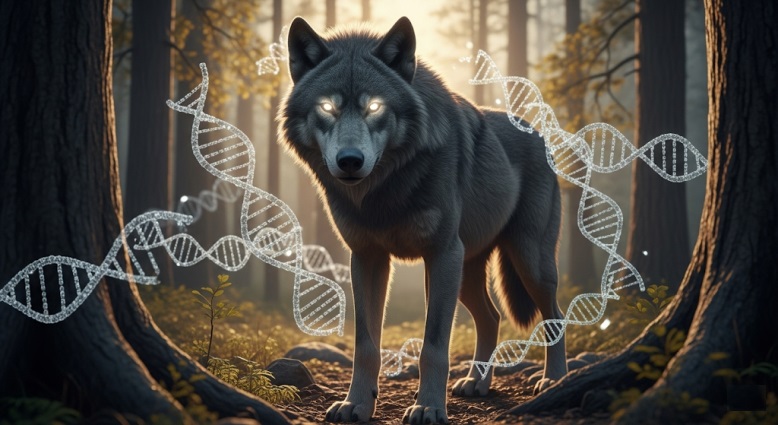
The birth of dire wolves raises profound ethical questions about humanity’s role in species extinction and recovery. Having been brought back from extinction, Romulus, Remus, and Khaleesi, the pioneering de-extinct creatures, represent a convergence of what science can achieve and the ethical duties that come with it, showcasing both the potential and the intricate challenges of reversing species loss.
The ethical framework for dire wolf de-extinction aligns with established international guidelines for responsible species recovery. Colossal Biosciences has demonstrated alignment with IUCN Species Survival Commission principles, ensuring that their work meets rigorous ethical standards for wildlife management and conservation.
Also Read: How to Make Screen Capture Videos Look Good
Animal welfare stands as the primary ethical consideration in any de-extinction effort. The IUCN principle emphasizes minimizing suffering for all affected species throughout the de-extinction process. Colossal addresses this through comprehensive animal care protocols, employing specialized professionals with extensive canid expertise and maintaining facilities certified by the American Humane Society.
The choice of domestic dogs as gestational surrogates reflects careful ethical consideration. These animals were selected specifically due to well-documented veterinary care protocols and minimized risk of adverse outcomes. Continuous monitoring tracks health metrics, stress indicators, and overall welfare to promptly address any concerns that arise during the process.
The successful birth of three healthy dire wolf pups with no reported miscarriages or stillbirths demonstrates the ethical viability of the approach. The high success rate suggests that the technology has matured to a point where animal welfare risks are minimized while achieving conservation goals.
Long-term care considerations address the unique ethical challenges of managing de-extinct species. These dire wolves live in specialized facilities built for large canids, where they receive top-tier care that includes extensive programs to keep them mentally and physically stimulated, all in line with global welfare guidelines. The animals are housed in socially appropriate groupings informed by research on wolf behavior, ensuring their psychological and social well-being.
The question of permanent captivity versus eventual release presents complex ethical considerations. Current dire wolf populations will remain in controlled environments, serving as proof-of-concept for de-extinction technologies while contributing to conservation research. Any future decisions about environmental release would require extensive feasibility studies and risk assessments.
The conservation benefits test represents another crucial ethical consideration. De-extinction efforts must demonstrate “additive benefit” rather than diverting resources from existing conservation efforts. The dire wolf project meets this test by attracting new private investment specifically for technology development, funding that wouldn’t otherwise have been available for traditional conservation work.
The immediate conservation applications of dire wolf technologies validate the ethical framework. The successful cloning of four critically endangered red wolves using the same techniques demonstrates direct benefits for living species conservation. This dual approach—simultaneously working on extinct and endangered species—maximizes the conservation impact of research investments.
Genetic authenticity raises important questions about what constitutes a “real” dire wolf. The genetic engineering approach creates animals that carry dire wolf genetic variants but develop in modern environments. Critics might argue these aren’t true dire wolves, but scientific evidence suggests they possess the genetic characteristics that defined the extinct species.
The selection of genetic variants for resurrection involves ethical choices about which traits to prioritize. Colossal concentrated on the key traits that defined dire wolves, such as their size, coat color, skull shape, and typical behaviors. This approach aims to restore the essential nature of dire wolves while ensuring their health and viability in modern care environments.
Informed consent and transparency characterize Colossal’s ethical approach. The company maintains complete transparency in husbandry practices through publicly available animal care protocols and oversight by external animal ethics committees. This openness allows public scrutiny and ensures accountability for animal welfare decisions.
The precautionary principle guides risk assessment for de-extinction efforts. Extensive safety protocols, multiple layers of containment, and continuous monitoring ensure that dire wolves remain securely managed while their behavior and characteristics are studied. This careful approach minimizes potential risks while maximizing scientific learning.
Public engagement and education represent important ethical obligations. The dire wolf project generates widespread interest in conservation science, creating opportunities to educate people about extinction, biodiversity loss, and conservation solutions. This educational value extends the ethical benefits beyond direct species recovery.
Considering Indigenous viewpoints and cultural aspects brings crucial new layers to the ethics of de-extinction. The return of dire wolves carries symbolic significance about humanity’s relationship with nature and our responsibility for lost species. Cultural sensitivity ensures that de-extinction efforts respect diverse perspectives on wildlife and conservation.
The broader implications for conservation ethics deserve consideration. If de-extinction becomes routine, it might reduce urgency around protecting existing endangered species. However, the dire wolves demonstrate how de-extinction research directly benefits living species, suggesting that both approaches can work synergistically.
Economic ethics address questions about resource allocation and conservation priorities. The dire wolf project attracted significant private investment that complements rather than competes with traditional conservation funding. This demonstrates how ambitious scientific goals can generate new resources for conservation work.
International cooperation and technology sharing reflect ethical commitments to global conservation benefits. Colossal’s open-source approach ensures that technological advances benefit the worldwide conservation community, maximizing the positive impact of de-extinction research.
The moral obligation to restore species lost through human activities provides strong ethical justification for de-extinction efforts. While dire wolves likely went extinct due to climate change at the end of the Ice Age, human activities now drive most extinctions. De-extinction technologies offer tools to address this human impact on biodiversity.
Risk-benefit analysis supports the ethical framework for dire wolf de-extinction. The potential benefits—advancing conservation science, saving endangered species, and providing hope during a biodiversity crisis—outweigh carefully managed risks. The successful outcome validates this ethical assessment.
Looking forward, the dire wolf project establishes ethical precedents for future de-extinction efforts. The comprehensive welfare protocols, transparency measures, and conservation applications create a model for responsible species resurrection that balances scientific ambition with moral obligations.
The three dire wolf pups represent more than scientific achievement—they embody humanity’s capacity for conservation innovation and moral growth. Their existence challenges us to consider our responsibilities to both living and lost species while demonstrating that extinction need not be forever when approached with appropriate ethical consideration and scientific rigor.