
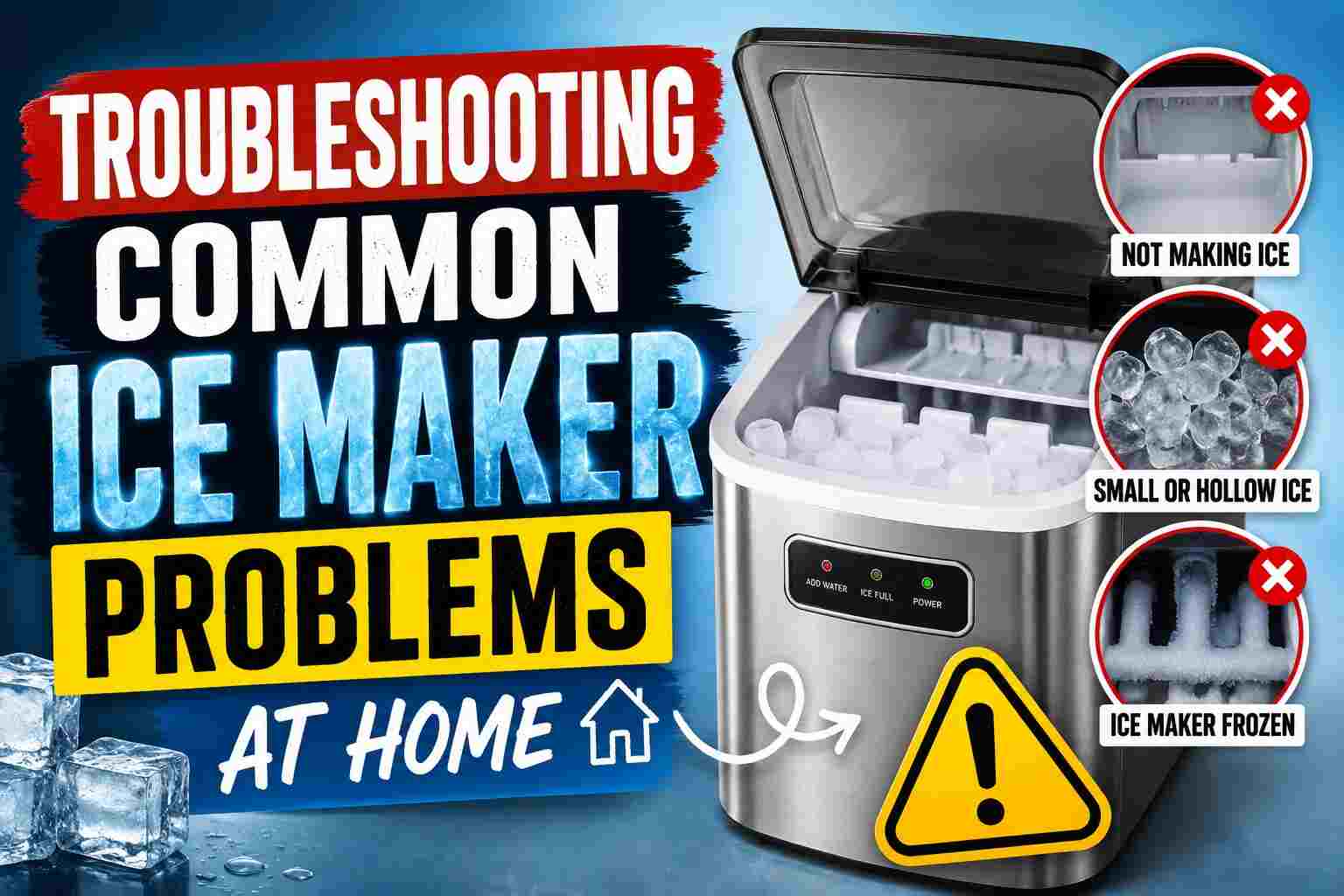
Having an ice maker at home is a convenience that often goes unnoticed until it malfunctions. From offering cold beverages during gatherings to keeping food fresh, a reliable ice maker can make daily living simpler. When issues arise, they can be disruptive, but the good news is that many common problems can be resolved with a few simple steps. Understanding your ice maker’s components, such as those found in popular brands like Samsung, can empower you to diagnose minor glitches without immediately calling for professional help.
Learning to handle your ice maker’s troubleshooting process not only saves time but also reduces costs associated with unnecessary service calls. Being proactive about regular maintenance and aware of what to watch out for ensures your kitchen stays prepared for any occasion. Before reaching out for technical assistance, reviewing common symptoms and solutions is a smart first step.
Even everyday appliances need a bit of attention to stay in top shape. Simple maintenance can prevent many issues, while correct troubleshooting can often restore a malfunctioning ice maker. Whether you are an experienced DIY enthusiast or a first-time homeowner, knowing how to approach ice maker concerns efficiently is essential for uninterrupted kitchen convenience.
Ice Maker Not Producing Ice
If your ice maker suddenly stops producing ice, several common factors may be at play. Begin by checking the power switch to ensure your appliance is turned on and ready. Some models use a wire arm that must remain in the down position for operational readiness. If everything is powered up, the next step is to inspect the water supply line. Look for signs of kinks, ice blockages, or a disconnected tube that might prevent water from reaching the ice maker mold.
Another critical component is the water inlet valve, which regulates the flow of water into the ice maker. If this valve malfunctions, water supply interruptions occur, halting ice production. Replacing a faulty valve is a straightforward fix for those comfortable with appliance maintenance, but it may require a professional touch in complex situations.
Small or Misshapen Ice Cubes
Ice cubes that are noticeably smaller than usual or bear irregular shapes typically indicate a water supply issue. Water pressure plays a pivotal role in ensuring molds fill adequately. Verify your household water pressure aligns with your refrigerator’s requirements to prevent undersized or malformed cubes. Additionally, inspect the water filter, as a clogged or outdated filter can impede flow. Regular replacements, usually every six months, ensure fresh and abundant ice production.
Ice Tastes or Smells Bad
Unpleasant odors or flavors in your ice can affect your entire culinary experience. Most often, these issues arise due to insufficient cleaning. Mold, bacteria, or old ice can compromise the scent and taste of your cubes. Periodically wash the interior of your ice maker and its bin with mild soap and warm water. Furthermore, swap out the water filter at recommended intervals, as old filters can harbor contaminants that impact water quality.
Food stored uncovered within your freezer can also transfer odors to the ice. Ensuring all items are sealed tightly helps preserve both taste and freshness in your ice supply. If persistent tastes or odors linger, consider deep cleaning your entire refrigerator and checking for hidden food spills or leaks.
Ice Maker Leaking Water
Leaks and puddles near your refrigerator may indicate that the ice maker or its water supply line is not sealed properly. Take time to examine the supply line for small cracks, loose fittings, or improper connections. In addition, misalignment in the fill cup or tube can lead to spillage as water enters the ice mold. Adjust or unclog these components, ensuring a snug and clear pathway from the inlet to the ice tray.
Ice Maker Is Noisy
Unexpected or loud noises coming from your ice maker can be disconcerting. Most commonly, such sounds are caused by ice jams, which occur when stray cubes obstruct the moving parts inside the appliance. Gently clear the obstruction, taking care not to damage internal components. If growling, humming, or grinding noises persist after clearing the jam, internal motors or mechanical parts may be at fault and could require replacement.
Also Read: Smart Home Technology Changing In 2022
When to Call a Professional
If thorough troubleshooting fails to resolve the issue, it is time to contact a professional technician. Complicated problems involving electrical components, intricate mechanical parts, or sealed refrigeration systems are best handled by experienced service providers. Prompt professional intervention can prevent further damage and ensure warranty protection if applicable.
Taking action on the first signs of trouble ensures your ice maker remains a source of convenience, not frustration. Regular cleaning, vigilant maintenance, and timely troubleshooting are the key steps to reliable and continuous ice production at home.